28th edition of the Syva Award International – The laureates have been announced!

For two days, the five members of the Syva Award International Jury met to elect the three best doctoral theses in animal health. With 32 theses in competition, a record number since the creation of the award, and candidates from different countries where Syva is present – through its subsidiaries or its network of distributors – this 2025 edition marks a real turning point in the history of the award, driven by an increasingly international dynamic.
‘This year, diversity was present everywhere, both in the subjects and in the origin of the candidates and the members of the examining board,’ says Xavier Nouvel, professor at the National Veterinary School of Toulouse. ‘More than thirty theses had to be evaluated, covering practically all fields of animal health: a challenge, indeed, but above all a huge source of inspiration.’
It was an intensive evaluation process, but there was a great degree of consensus within the panel!
The two days of the jury’s deliberations were particularly intense, but the final decision was taken unanimously by a panel of four professors who were experts in animal health with very diverse professional roles and interests in this field. They had been reunited in León by Dr. Luisa de Arriba, Veterinarian and R&D Manager at Syva, with extensive experience in the scientific coordination of the Syva Award and in the strict criteria required for the impartial valuation of the theses presented.
Another highlight of this year’s selection committee was the fact that, after many hours spent examining the theses and individually applying the demanding and previously validated evaluation scale, all the results converged on the same theses for the top 5 places. Thus, despite the large number of theses and their undeniable individual qualities, the discussions on the three laureate theses went very smoothly.
Who are the laureates and why have they made a difference?
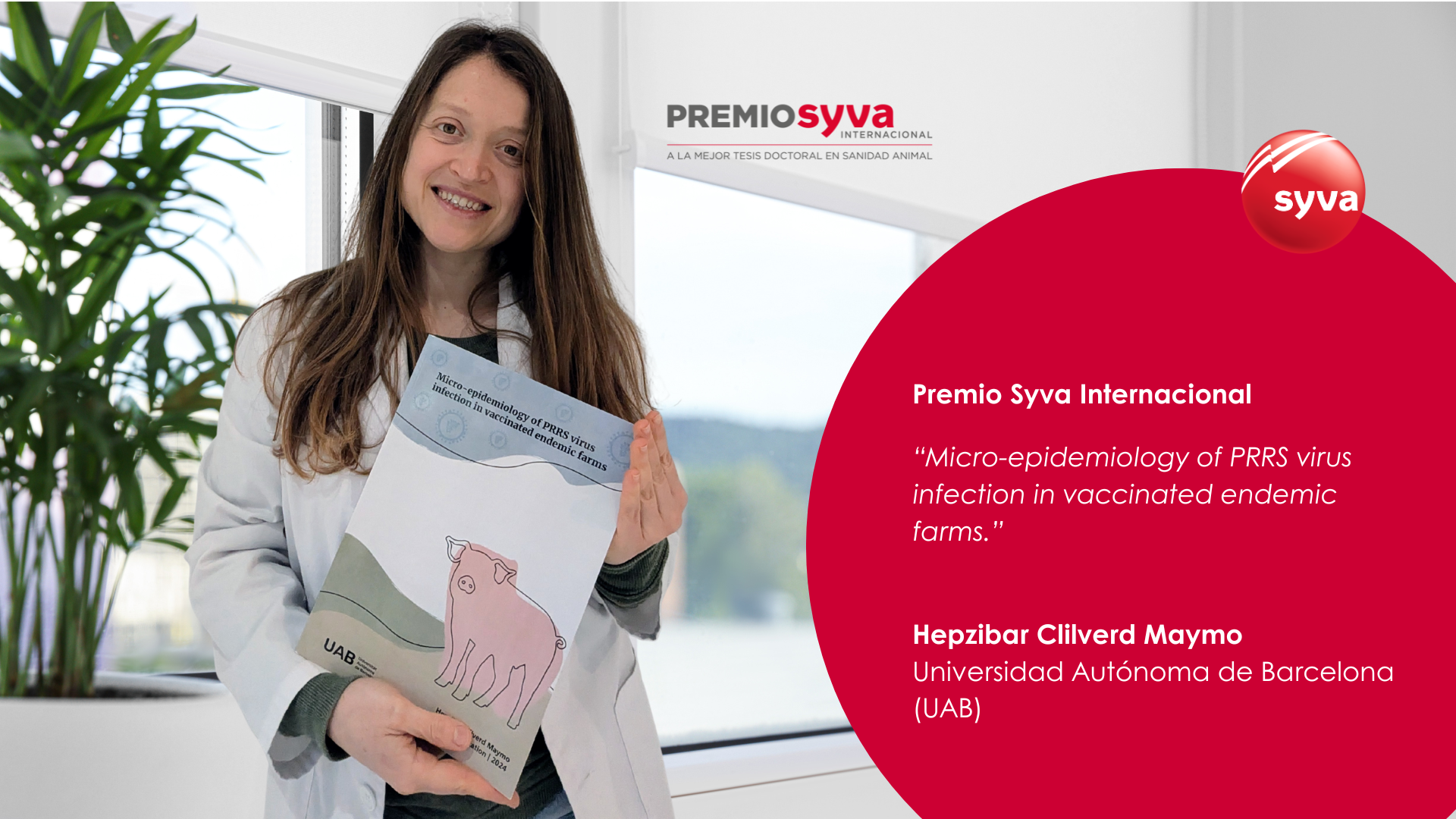
The Syva Award International, worth 18,000 euros, was awarded to Dr Hepzibar Clilverd Maymo of the Autonomous University of Barcelona. The young researcher, Spanish but born in London, has distinguished herself with a detailed and innovative approach to PRRS virus in endemic and vaccinated pig farms. Her thesis has been praised for its extremely precise monitoring and interpretation of virus transmission and its methodological rigour, which perfectly reflect the ability of her research to be translated into practical applications.
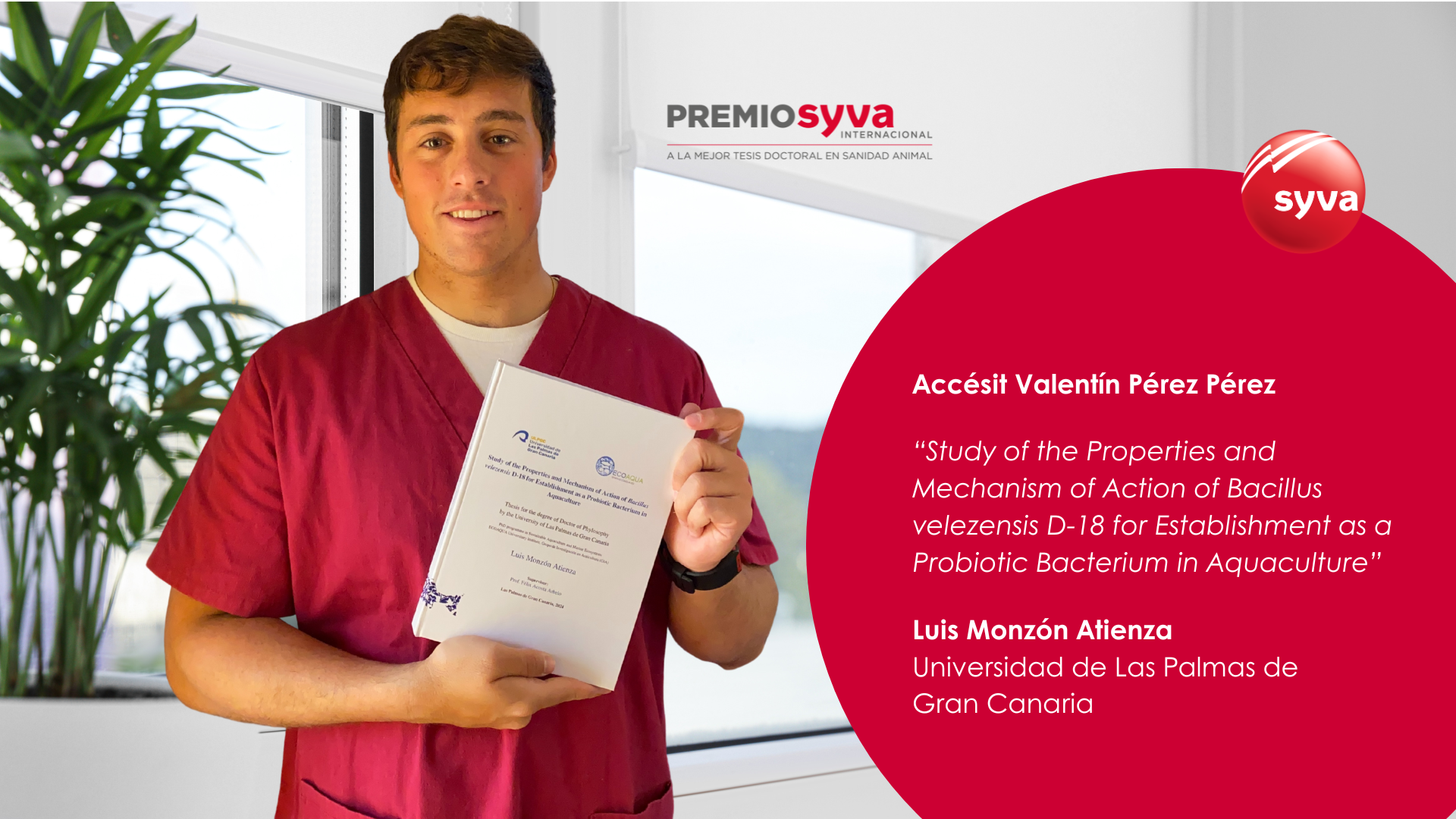
The Valentín Pérez Pérez Award, a special access prize of 3,500 euros, was awarded to Luis Monzón Atienza, PhD from the University of Las Palmas de Gran Canaria. This native of the island explored in depth and with an excellent approach and methodology, the selection, mechanisms of action and applicability of a probiotic in aquaculture. This is a very topical subject in terms of the sustainability of fish farms and the fight against the excessive use of antibiotics and their impact on human health.
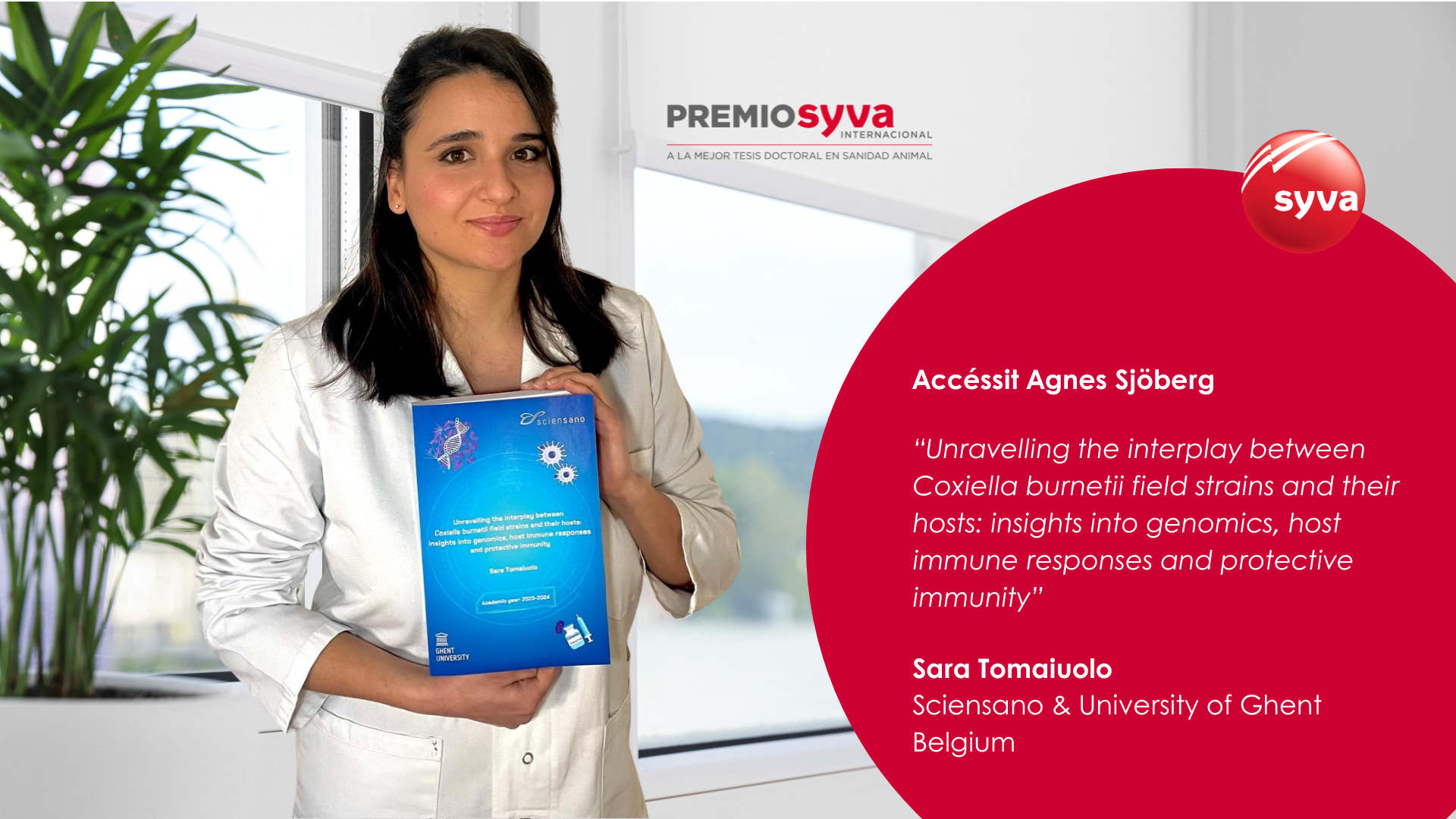
Finally, the Agnès Sjöberg Prize, a special access prize of 3,500 euros, went to Sara Tomaiuolo, an Italian PhD student who achieved her thesis at the University of Ghent as part of a research programme endorsed by Sciensano, a public institution attached to the Belgian Ministry of Public Health. Her thesis, which focused on the study of the intracellular bacterium ‘Coxiella burnetii’ responsible for Q fever, provides new insights into genomics, the immune response generated in the host and the development of protection through vaccination.
Who are the members of the selection committee for 2025 and what do they think of their selection experience?
Among the members of the selection committee gathered for the occasion was Juan Francisco García Marín, former rector of the University of León and specialist in veterinary pathological anatomy. He stressed how the internationalisation of science strengthens it. ‘I welcome with great satisfaction the new international dimension of the Syva Award,’ he said, ‘…and I often encourage my students to travel and experience research in other European universities. It’s good for them, it’s good for us, it’s good for research, for the University of León and for companies like Syva. As for Spain, we can go beyond our borders without any complexes, because Spanish scientific research is very competitive. ”.
Francisco Javier Salguero Bodes, a Spanish expert in infectious diseases at the UK Health Security Agency and research associate at Oxford, would not disagree, as he works in the UK and with him, in his department, is also one of the laureates of the 26th edition of the award (2023). Javier Salguero, for his part, highlighted what he considered to be a common denominator of the three winning theses: ‘A good thesis,’ he said. is a good, rigorous, fluid and original story. The initial idea should flow logically through to the final discussion. It’s a bit like reading a good book without realising it, despite the complexity and technicality of the subject. ”.
For her part, Margarita Martín Castillo, professor at the Autonomous University of Barcelona and a specialist in infectious diseases and zoonoses, was impressed by the widespread use of advanced scientific techniques such as genomics, as well as by the clarity with which the hypotheses and the research process are presented. ‘What makes the difference for me,’ she says, “is when the thesis proposes concrete solutions, with a clear and methodical approach,” agreeing with Professor Salguero. ‘The tendency I have observed,’ he adds, ’is for the thesis to propose concrete solutions, with a clear and methodical approach.in all the theses presented, is that there are many more ‘omics’ approaches that combine several disciplines to better understand how biological systems work, more innovative approaches. I especially like it when we have works that touch on both aspects related to pathogens and their hosts. ‘. ‘Finally,’ she says, ‘we all appreciate theses that not only present results and conclusions, but also suggest paths for further work and continuity of research possibilities’.
Xavier Nouvel, director of the Department of Livestock and Veterinary Products, Veterinary Public Health at the National Veterinary School of Toulouse in France, stressed the importance of promoting the work of young researchers: ‘We have to promote the work of young researchers.This award highlights careers that are often demanding, but essential if we want to meet the challenges of tomorrow. It contributes to making animal health research more attractive, visible and dynamic.
Finally, M. Luisa de Arriba, representing Syva, also highlighted the unquestionable quality of the theses presented, which, with their number, made the selection committee’s work intense and complicated. As every year, she enjoyed the privilege of the debates that arise when the theses are evaluated by five people with different backgrounds and, therefore, different perspectives. Finally, she spoke of the satisfaction of being sure that, although they might not be the only ones, the three winning theses deserve without any doubt the prize awarded.
In conclusion,
Through the themes addressed this year – PRRS, aquaculture, zoonoses – the Syva Award reflects the contemporary challenges of animal health research: interdisciplinarity, innovation and social impact.
The selection process was based on shared criteria: originality, clarity of purpose, methodological soundness, contribution to scientific knowledge and applicability of the results. A natural consensus quickly emerged around the three laureates, demonstrating the maturity of the selection committee and the quality of the papers presented.
For Javier Salguero, who was a candidate for the award after his doctoral thesis, the evolution of the Syva Award is remarkable: ‘From a local award in 2001, it has grown into a truly international forum. Nowadays, diseases know no borders, and neither does research’.
El Premio Syva Internacional persigue su misión con ambición: reconocer la excelencia, fomentar la pasión por la ciencia veterinaria y destacar el perfil de la investigación veterinaria en todo el mundo.
What next?
To find out more about the laureates and their projects, we hold us over at the end of April, when our three protagonists will have the opportunity to present their theses at the award ceremony, organised by Syva and attended by representatives of the University of León, an academic and scientific partner of the Syva Award since its creation in 1998.
Get to know the members of the 2025 selection committee a little better!
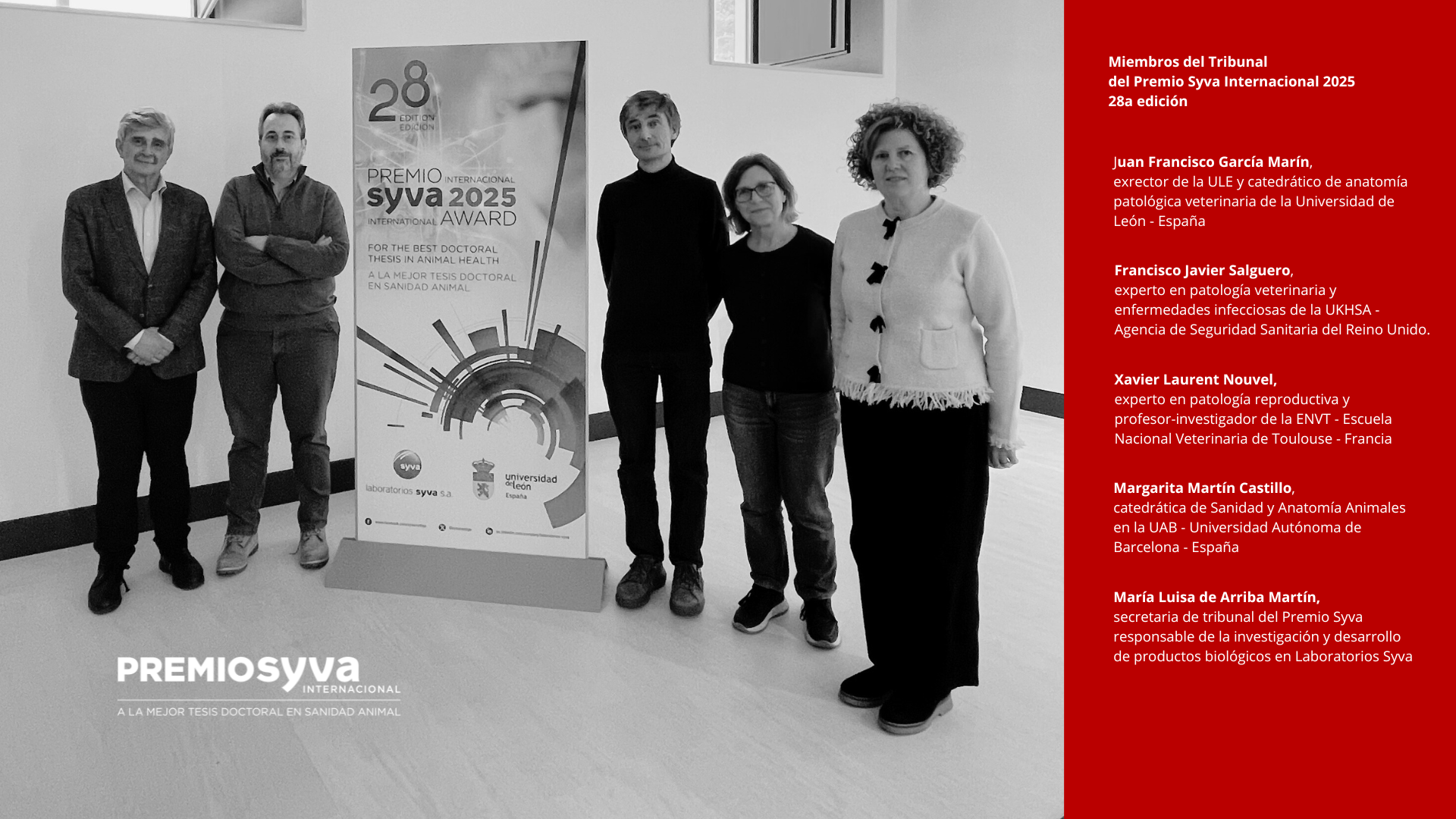
From left to right
Juan Francisco García Marín, former rector of the University of León and expert in veterinary pathological anatomy.
Juan Francisco García Marín is professor of veterinary pathology and was rector of the University of León between 2016 and 2024. A recognised specialist in his field, he has dedicated his career to teaching, research and the modernisation of higher education. Under his leadership, the university strengthened its international projection and developed academic collaborations, especially in the framework of the Erasmus+ programme. His commitment to innovation and scientific cooperation marked his tenure and continues to influence the field of veterinary education.
Francisco Javier Salguero Bodes, expert in veterinary pathology and infectious diseases.
Francisco Javier Salguero Bodes is a veterinary pathologist specialised in infectious diseases and comparative pathology. He is currently scientific officer at the UK Health Security Agency (UKHSA) and visiting professor at the University of Surrey, as well as research associate at the University of Oxford. With an international track record and over 8,500 citations in scientific publications, his work focuses on the study of emerging pathogens and their impact on public and veterinary health.
Xavier Laurent Nouvel, expert in reproductive pathology and lecturer-researcher at the ENVT
Xavier Nouvel was a practising veterinarian in the field and a researcher at the Institut Pasteur de Paris in his youth. Today he is professor-researcher in reproductive pathology at the National Veterinary School of Toulouse (ENVT) and in charge of the department of Animal Production and Veterinary Public Health (Elevage et Produits, Santé Publique Vétérinaire, EPSPV). His research focuses on the interactions between the animal host and the pathogens of diseases affecting ruminants, coordinating several scientific projects on reproduction, microbial genomics and microbiota in collaboration with the ENVT and INRAE. Through his work, he contributes to the training of future veterinarians, researchers and the advancement of knowledge in animal health and infectious diseases.
Margarita Martín Castillo, Professor of Animal Health at the UAB
Margarita Martín Castillo is Professor in the Department of Animal Health and Anatomy at the Autonomous University of Barcelona (UAB) and member of the Research Group on Communicable Diseases in Animal Health (TRANSMISAN). With more than 32 years of experience, her teaching and research work has focused on transmissible diseases in animals and their impact on veterinary health. She has led national and international research projects and has contributed to the advancement of knowledge in animal health through scientific publications and specialised conferences.
María Luisa de Arriba Martín, Doctor of Veterinary Medicine and key player of the Syva Award
María Luisa de Arriba Martín is director of R&D/Registration of Biological Products in Syva Laboratories, for the development of vaccines and innovative solutions for animal health. Graduated from the University of León, she has a strong background in the area of veterinary infectious diseases and immunology and a solid trajectory in the industry, in the development and registration of veterinary vaccines.
Desde hace más de 15 años, juega un papel esencial en la organización del For more than 15 years, she has played an essential role in the organisation of the Syva Award, prestigious distinction that recognises the best doctoral theses in animal health at an international level. As secretary of the selection committee, she coordinates the selection process, ensures the smooth functioning of the competition and participates in the evaluation and deliberations alongside international experts. Her commitment aims to ensure the scientific rigour and prestige of the prize, in order to encourage new generations of researchers.
You may also be interested in
20 May, 2026
Syvac® EH Marker is now marketed under the name ORBYK EHD
This name change supports Laboratorios Syva’s positioning strategy within the orbivirus sector and helps reinforce the consistency and identity of its portfolio of products and solutions aimed at preventing vector-borne diseases in ruminants.
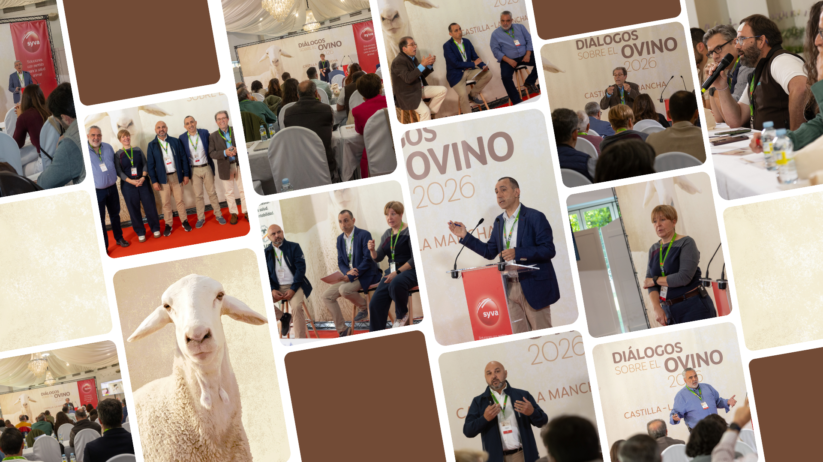
13 May, 2026
Syva celebrated its first edition of the Sheep Dialogues in Castilla-La Mancha.
Desde Syva se ha querido destacar la excelente acogida que ha tenido esta primera edición, así como el alto nivel técnico y profesional de las ponencias desarrolladas a lo largo del encuentro. Los debates generados durante la jornada han evidenciado el firme compromiso del sector con la innovación, la formación continua y la incorporación de soluciones que permitan avanzar...
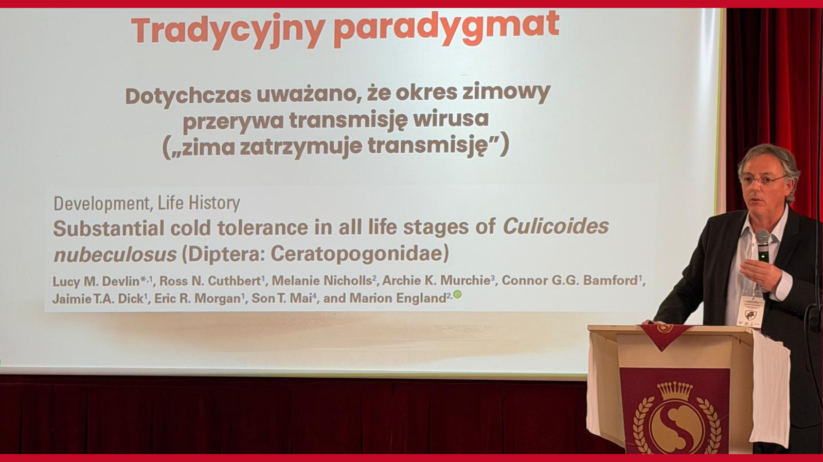
30 March, 2026
Biosecurity, prevention and bluetongue: key factors for the present and future of the sector
On 26 March, Syva attended the II International Conference on “Biosecurity and prevention in livestock herds – a tool for good times and bad times”, organised as part of the Międzynarodowa Konferencja in Poland.

Media tool kit
We provide users, particularly journalists and the press, with a series of graphic documents, photographs and videos. We offer the free use of these documents under certain conditions

Journalist and Press Contact
Are you a journalist, part of the press or the media? Do you want to get information on our activities, validate your sources in a professional manner, obtain validated photographic material or request an interview?