Bluetongue: what Belgian veterinarians teach us after 2024–2025
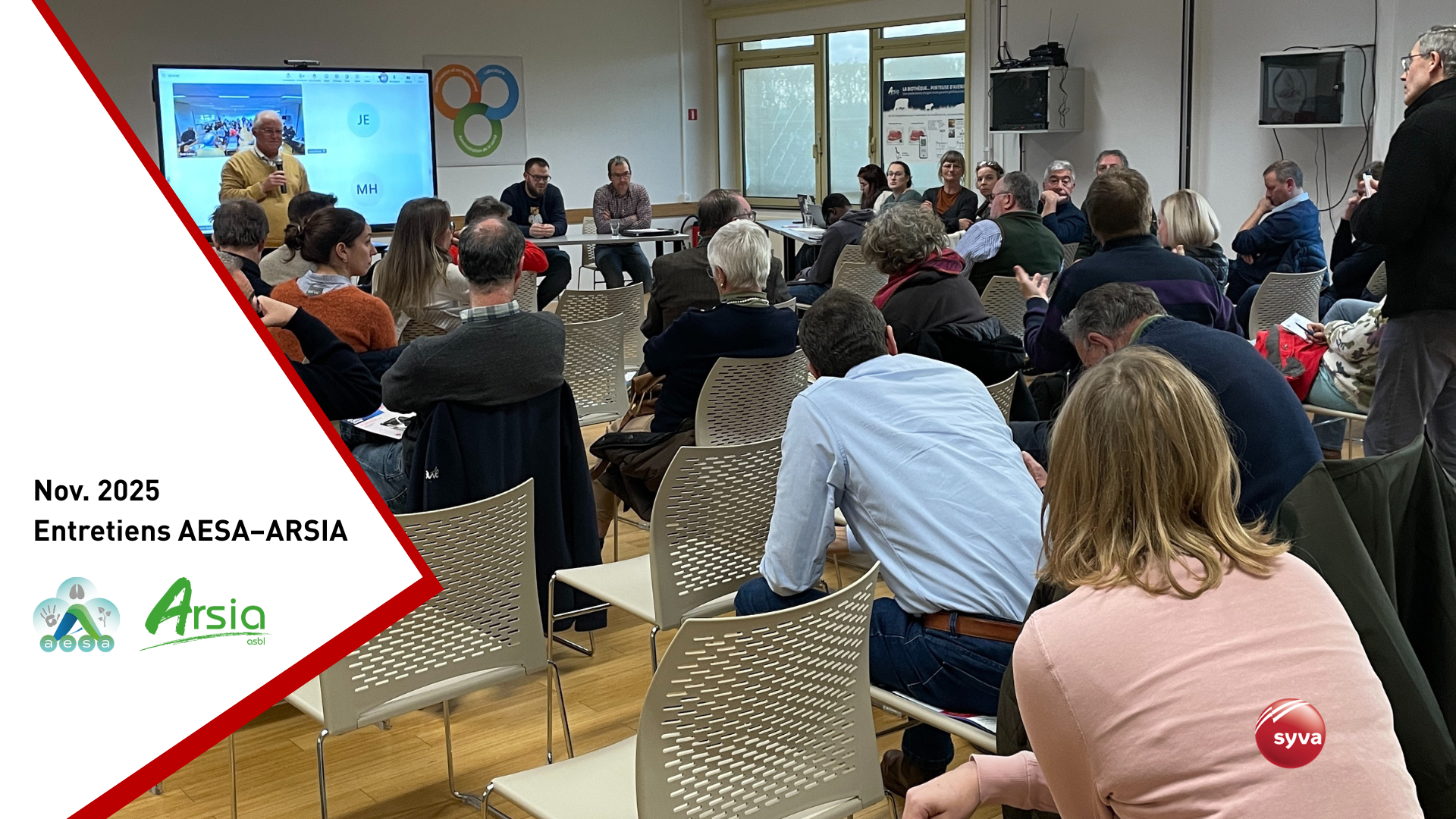
On 17 November, we were in Ciney for the AESA Meetings organised together with ARSIA Although deeply rooted in the Belgian field context, the event offered valuable insights that are relevant well beyond Belgium for all professionals working with ruminants.
The programme included experience-sharing, epidemiological analyses and discussions on the management of BTV-3, BTV-8 and EHD—three viruses for which vaccination was mandatory in Belgium in 2025.
The presentations helped clarify the real impact of these diseases on sheep, goat and cattle farms, as well as their longer-term effects on reproduction and farm organisation.
The contributions from Nicolas Marchal, Drs Laurent Delooz and Julien Evrard (whose work has been published in Viruses), and the testimony of Dr Jean-Philippe Demonty highlighted the importance of early vaccination and close support for farmers.
Dr Hélène Gérard (SPF) reviewed the implementation of the 2025 vaccination obligation and the challenges associated with it.
A highly participatory debate then allowed scientists, veterinarians, farmers and authorities to share their views and put forward concrete paths for improvement. As Prof. Claude Saegerman reminded us in his introduction, this collective approach is essential to move towards a more coherent and predictable management of vector-borne diseases.
What are the 10 key points to remember from these discussions with Belgian veterinarians?
- Vaccination protects far more than a single animal.
It prevents reproductive losses, growth delays and drops in production that can affect the entire season. - Even without subsidies, it remains a worthwhile investment.
The cost of an outbreak always exceeds the cost of preventive vaccination. - The absence of symptoms does not mean the virus is absent.
BTV-3, BTV-8 and EHD can circulate silently for months. - Timing is as important as the vaccine itself.
Vaccinating before the Culicoides activity period is crucial to preventing infection. - Continuity matters.
Stopping vaccination too early increases the risk of a resurgence in 2027. - The veterinarian is the farmer’s most valuable ally.
They know the field, the risk periods and the specific needs of each farm. - Mental load and stress also matter.
Preventing disease avoids weeks of uncertainty and emotional pressure on farms and veterinary teams. - Relying on trusted information sources makes a difference.
Trusting veterinarians and official authorities reduces confusion created by rumours and social media. - Indirect impacts are significant.
Reproductive delays, temporary milk losses and disruptions in farm planning can all affect annual profitability. - Each farm contributes to collective protection.
The higher the regional vaccination coverage, the lower the viral circulation and the better the protection across the production chain.
📌 Three key messages
- Planning vaccination before the Culicoides activity period remains fundamental to limiting the health and economic impacts of vector-borne diseases.
- Viral circulation persists, and it is essential to continue vaccination in 2026—especially for naïve animals.
- Cooperation between farmers, veterinarians, institutions and researchers is key to better preparing for the coming seasons.
You may also be interested in
20 May, 2026
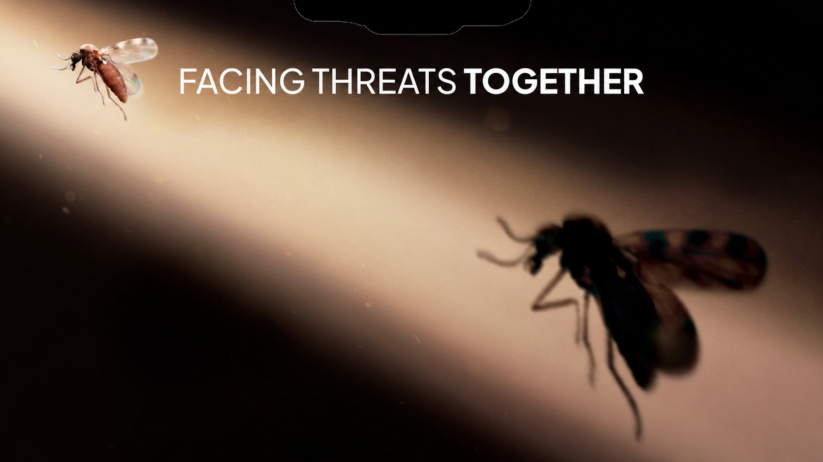
Syvac® EH Marker is now marketed under the name ORBYK EHD
This name change supports Laboratorios Syva’s positioning strategy within the orbivirus sector and helps reinforce the consistency and identity of its portfolio of products and solutions aimed at preventing vector-borne diseases in ruminants.
13 May, 2026
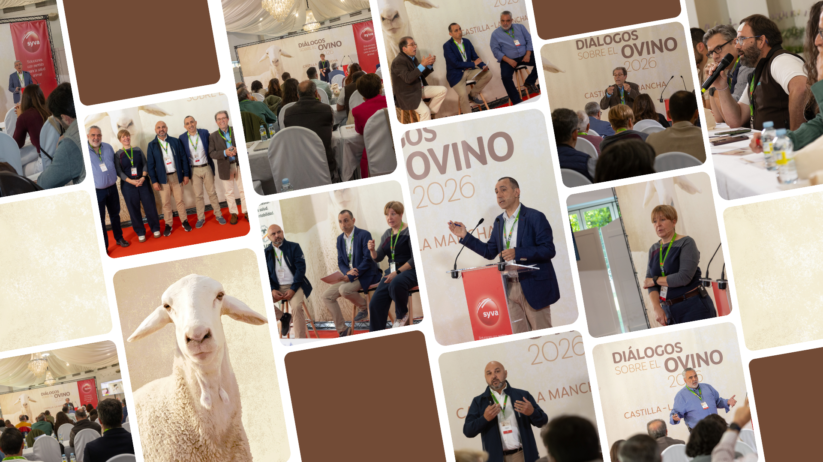
Syva celebrated its first edition of the Sheep Dialogues in Castilla-La Mancha.
Desde Syva se ha querido destacar la excelente acogida que ha tenido esta primera edición, así como el alto nivel técnico y profesional de las ponencias desarrolladas a lo largo del encuentro. Los debates generados durante la jornada han evidenciado el firme compromiso del sector con la innovación, la formación continua y la incorporación de soluciones que permitan avanzar...
30 March, 2026
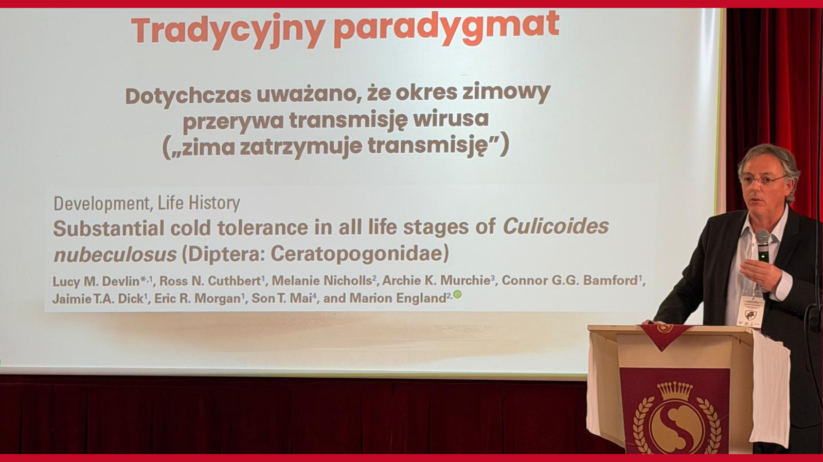
Biosecurity, prevention and bluetongue: key factors for the present and future of the sector
On 26 March, Syva attended the II International Conference on “Biosecurity and prevention in livestock herds – a tool for good times and bad times”, organised as part of the Międzynarodowa Konferencja in Poland.

Media tool kit
We provide users, particularly journalists and the press, with a series of graphic documents, photographs and videos. We offer the free use of these documents under certain conditions

Journalist and Press Contact
Are you a journalist, part of the press or the media? Do you want to get information on our activities, validate your sources in a professional manner, obtain validated photographic material or request an interview?